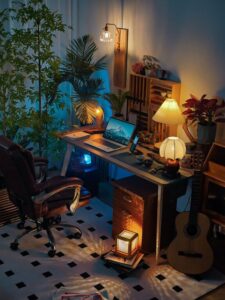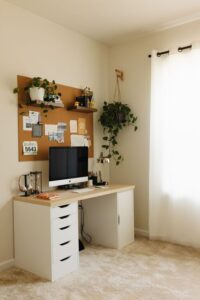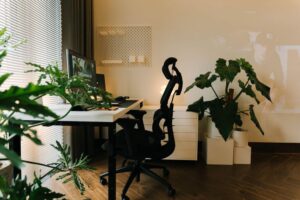
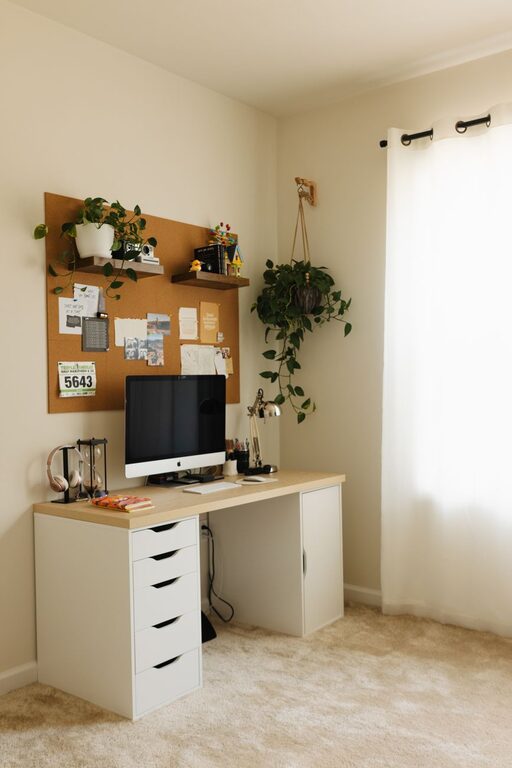
Creating a relaxing home workspace is essential for maintaining focus, reducing stress, and enjoying your workday—especially when your office is just a few steps from the kitchen. Whether you have a dedicated room or a cozy corner, setting up a space that promotes calm and productivity can greatly improve your work-from-home experience. Here are practical tips to help you design a home workspace that feels inviting, organized, and refreshing.
Choose the Right Location
Finding the right spot for your workspace is the first step toward creating a relaxing environment.
– Natural Light: Whenever possible, pick a spot near a window. Natural light can boost mood and energy levels, making work feel less tiring.
– Quiet Area: Choose a quiet area away from household noise and distractions to help maintain focus.
– Space Considerations: Ensure the area offers enough room for your desk, chair, and any equipment you need without feeling cramped.
Invest in Comfortable Furniture
Comfort is key when setting up a home workspace that supports long hours of work without strain.
– Ergonomic Chair: Select an adjustable chair that supports your back and promotes good posture.
– Appropriate Desk: Opt for a desk with enough surface area to hold your computer, paperwork, and accessories comfortably.
– Footrest and Accessories: Consider a footrest to improve leg comfort and wrist supports for keyboard and mouse use.
Declutter and Organize
A tidy workspace helps reduce stress and improves mental clarity.
– Storage Solutions: Use shelves, drawers, and organizers to keep supplies out of the way.
– Minimal Setup: Limit your desk items to essentials—this reduces distractions and creates a clean look.
– Regular Cleaning: Make it a habit to tidy up at the end of each day to start fresh the next morning.
Add Personal and Calming Touches
Make the space inviting and uniquely yours by adding elements that promote relaxation.
– Plants: Adding greenery improves air quality and adds a soothing natural element.
– Soft Lighting: Aside from natural light, use desk lamps or ambient lights with warm tones to create a cozy atmosphere.
– Artwork and Decor: Hang inspiring art or photos—but keep it simple to avoid overstimulation.
Manage Technology Wisely
Technology is essential but can also bring distractions and discomfort if not managed properly.
– Cable Management: Use clips or ties to keep wires neat and out of sight.
– Screen Positioning: Adjust your monitor so the top of the screen is at eye level to reduce neck strain.
– Use Headphones: Noise-cancelling headphones can help block out ambient noises, aiding focus and calm.
Set Boundaries and Routine
Creating a relaxing workspace also means establishing habits and boundaries around it.
– Work Hours: Set specific work hours and stick to them to keep your personal and work life balanced.
– Breaks: Schedule short breaks to stretch, move around, or simply relax your eyes—this helps avoid burnout.
– Separate Workspace: Try to limit activities outside of work in your workspace to psychologically separate work time from leisure.
Incorporate Relaxation Techniques
Finally, consider integrating simple relaxation strategies into your workday to keep calm and refreshed.
– Aromatherapy: Use essential oils or scented candles with calming scents like lavender or chamomile.
– Breathing Exercises: Practice deep breathing or mindfulness exercises during breaks to reduce stress.
– Music or Sounds: Play soft instrumental music or nature sounds for a calming background.
—
Creating a relaxing home workspace is about more than just where you work—it’s about how the space makes you feel. By combining comfort, organization, and thoughtful personal touches, you’ll find it easier to focus, stay motivated, and enjoy your workday. Start small, make adjustments over time, and let your workspace evolve with your needs to create the perfect home office sanctuary.