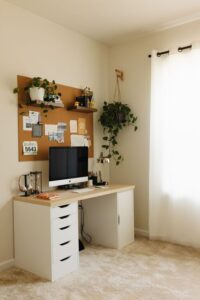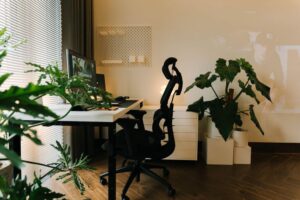
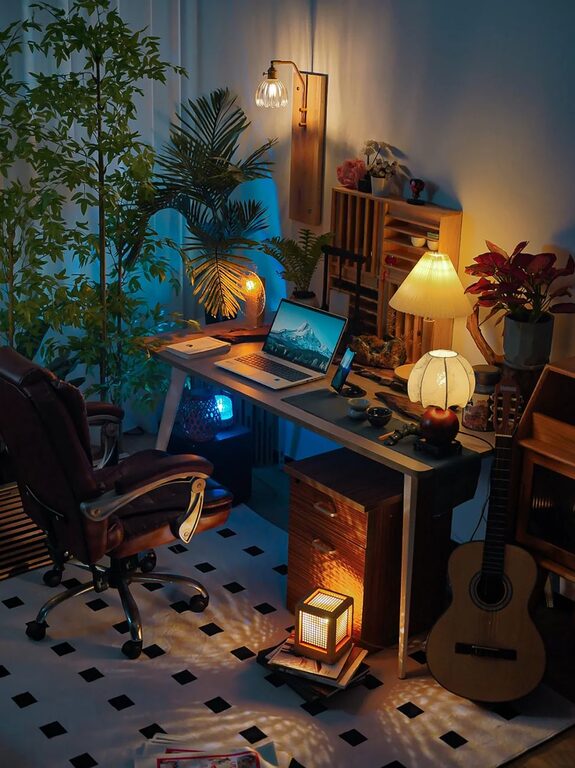
Creating a relaxing home workspace is essential for maintaining focus, reducing stress, and boosting productivity while working from home. Whether you have a dedicated room or a small corner, thoughtful design and organization can transform your work area into a calm haven. Here are practical tips to help you craft a peaceful and effective home workspace.
Choose the Right Location
Selecting the ideal spot for your workspace sets the foundation for comfort and productivity.
– Quiet Area: Pick a location away from high-traffic or noisy areas to minimize distractions.
– Natural Light: Position your desk near a window to benefit from natural sunlight, which can improve mood and alertness.
– Separate Space: If possible, choose a space that is separate from your relaxation or sleeping areas to create a clear mental boundary between work and home life.
Invest in Comfortable Furniture
Comfort plays a key role in making your workspace inviting and sustainable for long hours.
– Ergonomic Chair: Choose a chair that supports good posture and prevents back pain.
– Adjustable Desk: Consider desks that allow height adjustment so you can alternate between sitting and standing.
– Desk Size: Make sure your desk has enough surface area for your computer, essential tools, and some personal items without feeling cluttered.
Keep It Organized and Clutter-Free
A tidy workspace helps you concentrate and feel less overwhelmed.
– Storage Solutions: Use shelves, drawers, or bins to keep supplies organized and off your desk.
– Minimal Decor: Decorate with a few meaningful items to avoid visual clutter.
– Daily Declutter: Spend a few minutes at the end of each day tidying to maintain order.
Use Soothing Colors and Lighting
The right environment encourages calmness and improves productivity.
– Color Palette: Choose soft, neutral colors or gentle shades like light blue, green, or beige for walls and accessories.
– Lighting Options: Combine natural light with adjustable task lighting to reduce eye strain.
– Avoid Glare: Position monitors and lights to minimize screen glare.
Incorporate Nature Elements
Bringing nature indoors can create a refreshing and relaxing atmosphere.
– Plants: Add a few low-maintenance indoor plants to clean the air and add life to your space.
– Natural Materials: Use wooden or woven accessories to introduce texture and warmth.
– Outdoor Views: If possible, position your desk to face a window with a view of trees or greenery.
Personalize Mindfully
Personal touches make your workspace feel inviting without overwhelming it.
– Inspirational Items: Include photos, artwork, or quotes that motivate you.
– Comfort Items: Keep a cozy throw or a small cushion for extra support.
– Scent: Use subtle scents like lavender or eucalyptus with a diffuser to promote relaxation.
Manage Technology Wisely
Technology should support your workflow without causing stress.
– Cable Management: Use clips or sleeves to keep cords neatly arranged.
– Essential Devices Only: Limit gadgets to what you need to avoid distraction.
– Regular Breaks: Set reminders to step away and rest your eyes periodically.
Set Boundaries and Routine
A respectful balance between work and personal life supports a relaxing workspace.
– Defined Hours: Establish clear work hours to maintain routine.
– Clear Signals: Use visual cues like closing the laptop or turning off the desk lamp to mark the end of the workday.
– Break Area: Separate a spot nearby for stretching or quick breaks to refresh your mind.
Final Thoughts
Designing a relaxing home workspace is about blending comfort, organization, and a peaceful atmosphere. By choosing the right location, investing in ergonomic furniture, controlling clutter, and personalizing your space carefully, you create an environment where productivity and relaxation coexist. Implement these tips gradually and adjust based on what makes you feel most comfortable and focused. A well-designed workspace can significantly enhance your work-from-home experience.