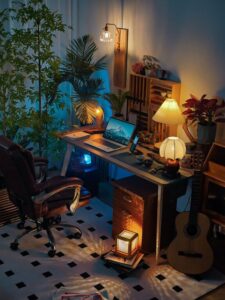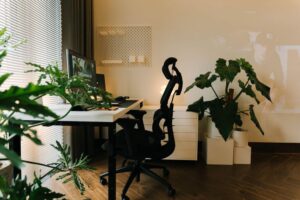
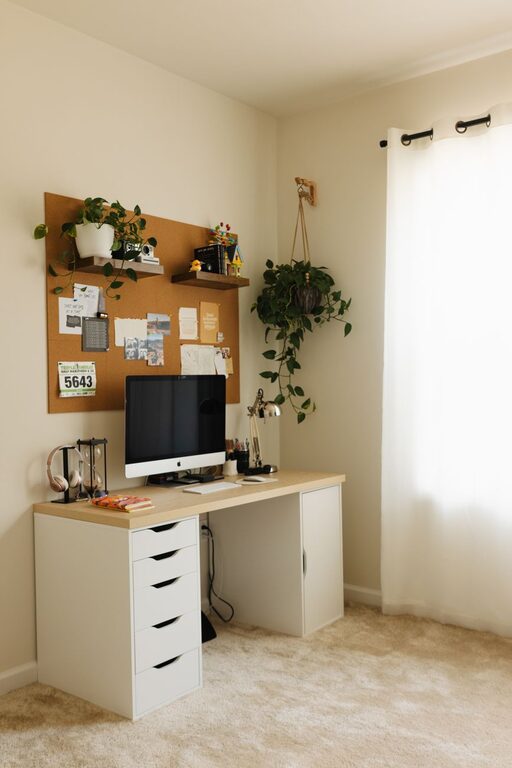
Creating a cozy and functional home office space can make a significant difference in your productivity and overall work-from-home experience. Whether you have a dedicated room or just a small corner, designing an area that feels inviting yet efficient is achievable with some thoughtful planning. In this post, we’ll explore practical tips to help you create a workspace that balances comfort with functionality.
Why a Cozy and Functional Home Office Matters
Working from home offers flexibility but also challenges, such as distractions and poor posture. A well-designed home office helps you stay focused, reduces stress, and encourages better work habits. Comfort is equally important — a cozy space can boost motivation and make long hours feel more manageable.
Choose the Right Location
Start by selecting a suitable spot for your office setup.
– Natural light: Position your desk near a window if possible. Natural light helps reduce eye strain and improves mood.
– Quiet area: Try to find a space away from high-traffic zones to minimize interruptions.
– Space availability: Even a small nook can work if organized well, but ensure there is enough room for essential office furniture and movement.
Invest in Ergonomic Furniture
Comfort during work is essential for your health and productivity.
– Ergonomic chair: Choose a chair that supports your back and promotes good posture. Adjustable height and lumbar support are key features.
– Desk: A spacious desk with enough surface area for your computer, notebooks, and other items helps keep you organized.
– Consider a standing desk: Switching between sitting and standing can reduce fatigue.
Organize Efficiently to Cut Clutter
A tidy workspace makes it easier to focus.
– Use storage solutions: Shelves, drawers, and organizers help keep supplies in place.
– Cable management: Use clips or cable boxes to prevent cords from tangling.
– Keep essentials close: Arrange frequently used items within easy reach.
Personalize Your Space
Adding personal touches makes your office feel inviting and reflects your style.
– Decorate with plants: Greenery can enhance air quality and add comfort.
– Artwork or photos: Display inspiring images or art to brighten your space.
– Soft textiles: Consider a cozy rug, cushions, or curtains to add warmth.
Lighting Matters
Proper lighting reduces eye strain and keeps you alert.
– Combine natural and artificial light: Use task lamps at your desk alongside overhead lighting.
– Adjust brightness: Choose dimmable lights or bulbs with adjustable warmth to suit different times of the day.
– Reduce glare: Position monitors to avoid reflections from windows or lights.
Minimize Distractions
Focus is vital, especially in a home environment.
– Noise reduction: Use headphones or white noise machines if your space is noisy.
– Manage digital distractions: Limit non-work apps during work hours.
– Set boundaries: Make clear to family or roommates your work schedule to reduce interruptions.
Incorporate Functional Technology
Technology can streamline your workflow.
– Reliable internet: A strong connection supports video calls and cloud work.
– Wireless peripherals: Use wireless keyboards or mice to reduce clutter.
– Charging stations: Keep devices charged and ready.
Maintain a Routine and Keep the Space Fresh
A routine enhances productivity, and keeping your office clean makes it pleasant to spend time in.
– Daily tidying: Spend a few minutes clearing your desk at the end of each day.
– Regular breaks: Stand up, stretch, or step outside to recharge.
– Switch up decor: Refresh your space occasionally to maintain motivation.
—
By thoughtfully combining comfort and functionality, your home office can become a place where you look forward to working each day. These tips can help you design an environment suited to your needs, promoting well-being and efficiency. Start small, and enjoy the process of creating a workspace that truly works for you.